


- eledentadmin
- February 20, 2026
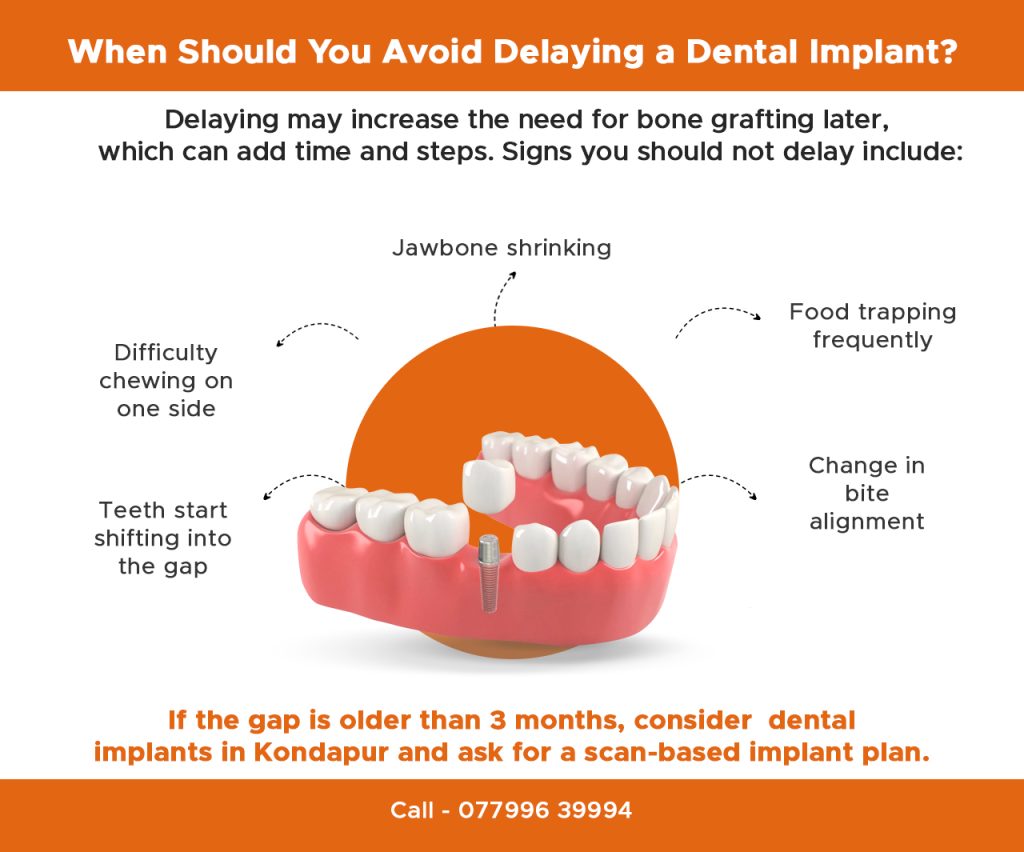
A missing tooth never waits for the right time. One day it looks like a small gap, then chewing starts shifting to one side, food begins getting stuck, and the bite can feel slightly off. Over time, the jawbone under that gap can also start shrinking, and nearby teeth may slowly lean into the space.
If you are considering implants, you probably want two things: a tooth that feels stable for chewing, and a clear step-by-step plan with honest pricing. At Eledent Dental Hospitals, implant treatment is planned with scan-based diagnosis, safety-first steps, and a transparent cost breakup before the procedure begins.
Read this blog by the experts of Eledent Dental Hospitals to understand the dental implant procedure along with a simple breakdown of the healing timeline, and what to expect at each stage for long-term stability.
What Is A Dental Implant Procedure And Who Is A Good Candidate?
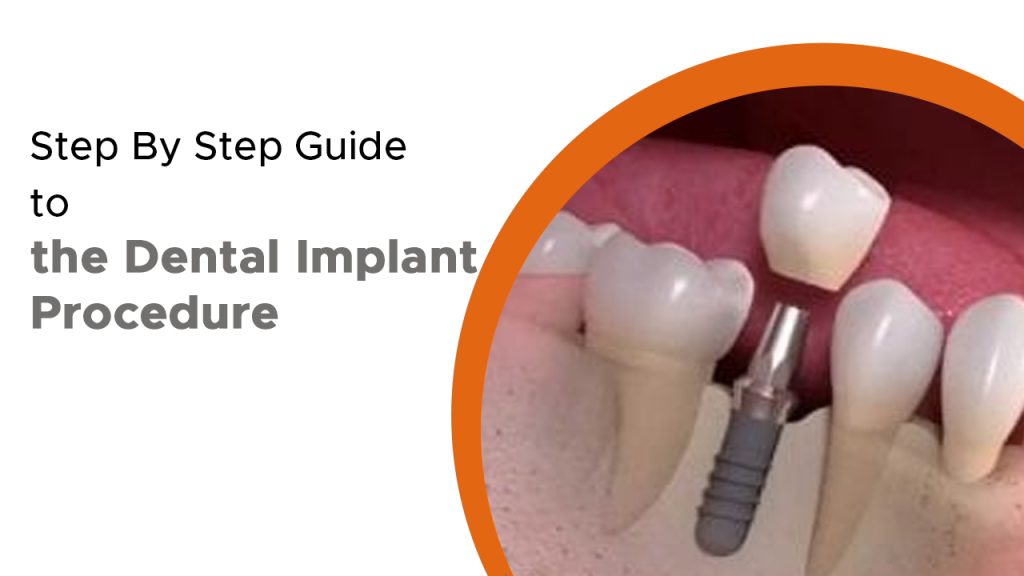
The dental implant procedure includes replacing a missing tooth root with a titanium implant and restoring the visible tooth with a crown.
A good candidate for dental implants has:
- Healthy gums
- Adequate bone support
- Controlled medical conditions
- Commitment to oral hygiene and follow ups
But even if you have bone loss or diabetes, you may still be eligible after evaluation. A consultation and digital scan help confirm the bone level, gum health, and implant needs. This is the first step of a reliable dental implant guide, because the right plan prevents avoidable complications.
Step-by-Step Dental Implant Process
The step-by-step dental implant process includes consultation, a 3D scan, implant placement, healing, and crown fixing. Each stage has a purpose, and the goal which is: a tooth that feels stable when you chew.
Step 1: Consultation & Goal Planning
Planning matters before the actual surgery because it decides safety, placement accuracy, and long-term stability.
During consultation your dentist checks following:
- Bite alignment and chewing pattern
- Gum health and inflammation
- Bone level and missing-tooth site condition
- Tooth spacing and crown design needs
- Your goals, timeline, and comfort concerns
This allows your dentist to decide the implant size, position, and treatment timeline. It also sets realistic expectations.
Step 2: Digital Scan for Proper Planning
A 3D scan shows bone thickness, nerve location, and sinus position so implant placement stays safe and predictable.
A digital scan helps with:
- More accurate implant placement
- Fewer surprises during surgery
- Better crown alignment and bite fit
- Safer outcomes for complex cases
This scan based approach is one reason why many patients look for the best dental implants in Hyderabad, especially when precision matters.
Step 3: Pre-Procedure Preparation
Preparation is done only when your case needs it, not by default.
Pre-procedure steps may include:
- Professional cleaning
- Tooth extraction if a damaged tooth is still present
- Bone grafting if bone is insufficient
Not every patient needs extra procedures. Your scan decides the plan. This is why a structured dental implant procedure is always case-based.
Step 4: Implant Placement
Implant placement is done under anesthesia, so patients feel pressure but not excess pain. The implant is placed into the jawbone at a planned angle and depth. And a single implant placement often takes 30 to 60 minutes, depending on complexity.
Patients exploring dental implants in Kondapur and dental implants in Kukatpally prefer clinics that follow guided planning for added accuracy. Many patients also ask for scan-based placement to reduce risk near nerves and sinuses.
Step 5: Healing Phase (Osseointegration)
Osseointegration or healing is the process where bone bonds with the implant and makes it stable. This healing process typically takes:
- 6 to 12 weeks for the lower jaw
- Slightly longer for the upper jaw in many cases
During this phase, the implant becomes strong enough to support the final crown. This healing step is a core part of the dental implant process and should not be rushed.
Step 6: Abutment Placement
An abutment is the connector between the implant and the crown. Once the healing period is complete, the abutment is placed. This step is usually quick and prepares the implant to receive the final tooth.
Step 7: Final Crown Fixing & Bite Adjustment
The final crown is designed to match your natural tooth shape and shade, and then fitted and adjusted to your bite. Once the crown is placed and bite alignment is checked, the dental implant process comes to an end.
How Long Does Dental Implant Recovery Take?
Most patients return to routine activities within 24 to 48 hours after implant placement. During the dental implant recovery, it is normal to have:
- Mild soreness for a few days
- Light swelling for 2 to 3 days
- Slight chewing sensitivity near the site
Recovery feels easier when aftercare is followed. Soft food, gentle brushing, and proper rest make a real difference. A well-planned dental implant process generally leads to smoother healing. Most people feel noticeably better by day 3, but deep healing continues over the next few weeks.
Is Dental Implant Procedure Painful?
The dental implant procedure is performed under anesthesia, so pain during surgery is minimal. After the procedure, soreness is manageable with prescribed medication and care. Risks usually remain low when the plan includes proper scan evaluation, correct case selection, and hygiene instructions.
Most complications happen when:
- Evaluation is skipped
- Bone and gum issues are ignored
- Aftercare is not followed
If something feels worse even after day 3, it is best to get reviewed.
Where to Get Dental Implants in Hyderabad & Protect Your Bite with a Planned Roadmap?
To protect your bite long term, choose a clinic that plans implants with scans, explains timelines clearly, and maintains pricing transparency.
If you are comparing options for best dental implants in Hyderabad, check for:
- Digital 3D planning and scan-based diagnosis
- Experienced implant specialists
- A clear step-by-step treatment roadmap
- Transparent pricing with a written break-up
- Post-procedure support and follow up plan
Eledent Dental Hospitals offers implants across locations, including dental implants in Kukatpally, dental implants in Manikonda, dental implants in Banjara Hills, and dental implants in Kompally. This makes follow ups easier during healing checks, crown fitting, and bite adjustment visits.
Book your consultation for dental implants at Eledent Dental Hospitals now. Call us at 077996 39994 .
FAQs
How many visits are required for the dental implant process ?
The dental implant process generally requires 3–5 visits, depending on the healing time and case complexity.
Can I get dental implants if I have bone loss?
Yes, many patients can still get implants after evaluation. Bone grafting may be recommended in some cases to improve support.
How long do dental implants last?
With proper oral hygiene, planning and aftercare, dental implants can last years and often decades.
What is the success rate of a dental implant procedure?
Dental implant procedure success rates are high, often above 90–95% when planned well and executed properly with care.