


- eledentadmin
- February 20, 2026
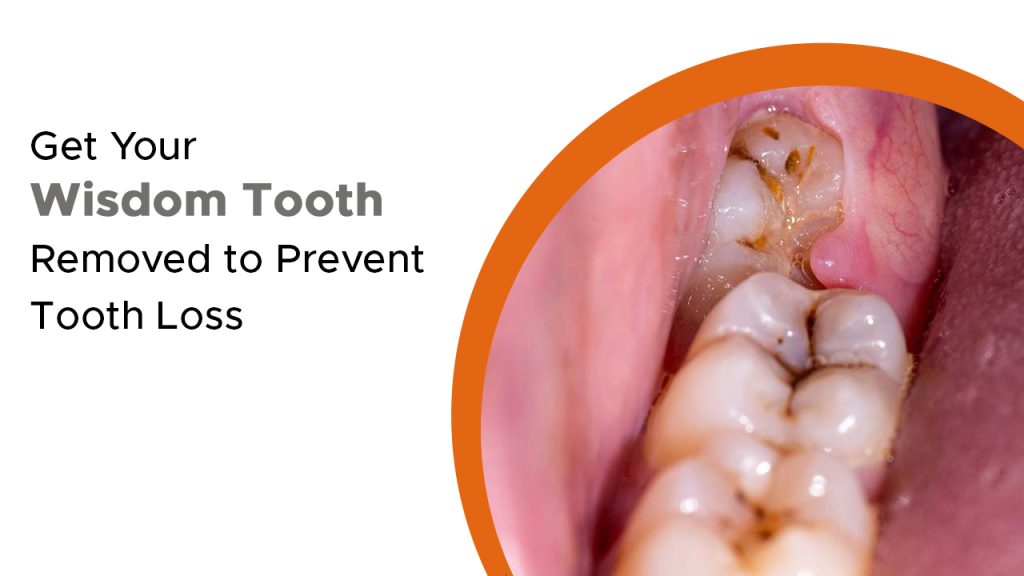
The mild pain at the back of your jaw is easy to brush off at first. In many cases, it is an early sign of an impacted or infected wisdom tooth. If it is left untreated, it can slowly damage the molar next to it.
If your goal is to prevent tooth loss, extraction of wisdom teeth is often the right step once impaction, infection, or decay is confirmed. A proper dental exam and an X-ray usually show what is happening and what should be done next.
At Eledent Dental, the approach is simple: diagnose early, plan clearly, and treat safely. Our team for wisdom tooth extraction in Hyderabad, uses scan-based evaluation and a structured treatment plan so you are not guessing or delaying.
Read this blog by the experts at Eledent Dental to understand why wisdom teeth cause damage, the main reasons removal is advised, what happens if you wait, how the procedure is done, and what recovery looks like.
Why Is Removing a Wisdom Tooth Important to Prevent Tooth Loss?
Removing an impacted wisdom tooth protects the nearby molar from hidden decay, repeated gum infection, and bone loss that can lead to tooth loss. The tricky part is that damage can build up even when the pain feels on and off.
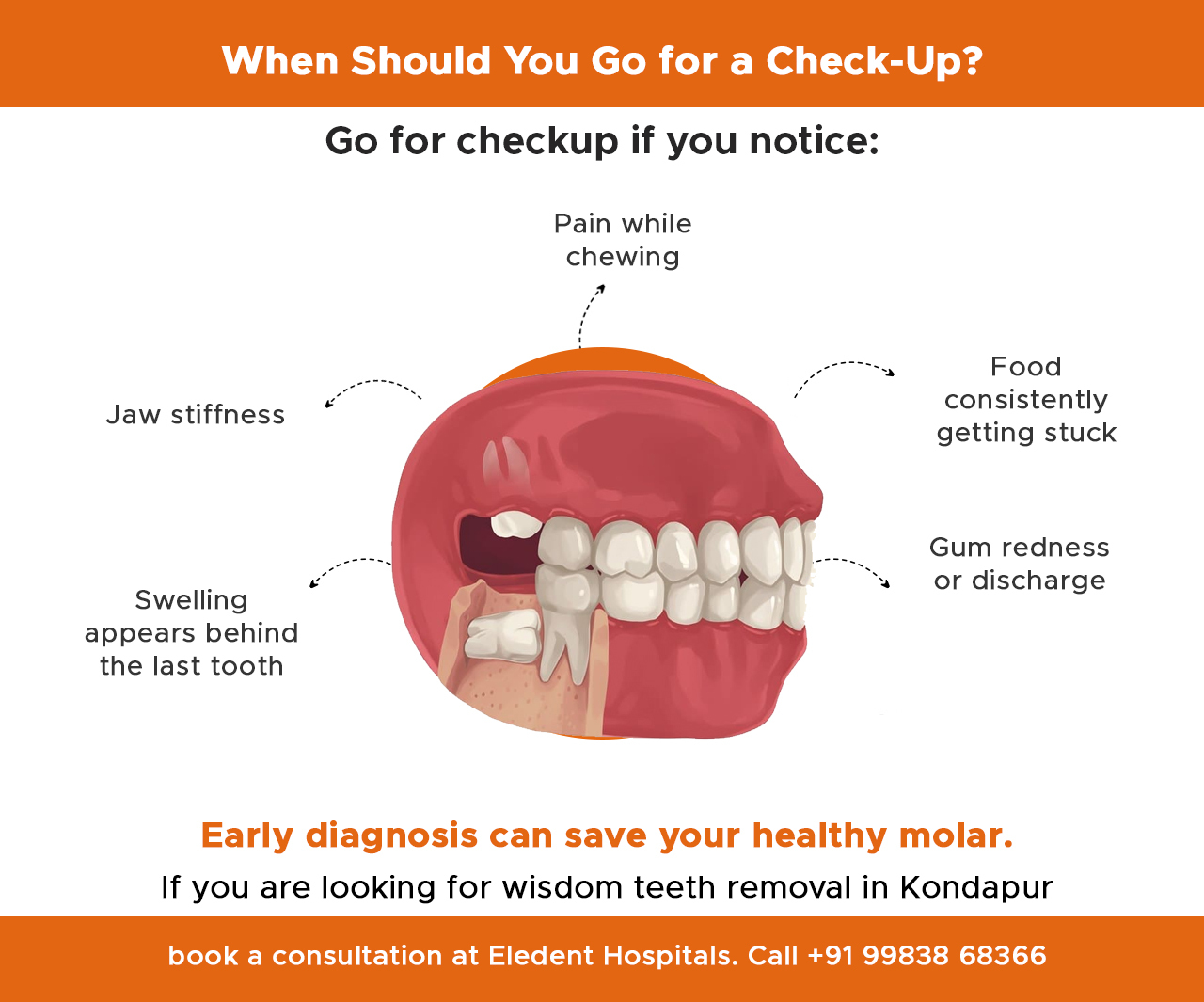
By the time swelling or any kind of severe pain appears, damage may already reach to its advance. Early action is simple: ‘protect the healthy tooth before it becomes complicated.
6 Main Reasons to Get Your Wisdom Teeth Removed
Dentists recommend removal when the wisdom tooth is repeatedly causing infection, damaging the second molar, or threatens gum and bone health. Below are the most common reasons to get your wisdom teeth removed:
1. Repeated Gum Infection (Pericoronitis)
If the gum around a partially erupted wisdom tooth keeps swelling, the infection generally returns. Food and bacteria get trapped under the gum flap, leading to pain, bad taste, and difficulty in opening the mouth. When the source of infection remains, antibiotics may only provide a temporary relief.
2. Damage to the Nearby Tooth (Second Molar)
An impacted wisdom tooth can also damage the tooth in front of it. Brushing alone cannot fully clean the tight contact area, allowing the decay to form unnoticed. Many patients feel surprised when an X-ray reveals a deep cavity near their second molar which didn’t cause pain. Removing this affected wisdom tooth early helps protect the second molar from turning into a bigger issue later.
3. Bone Loss Risk
Long-term inflammation can slowly dissolve the supporting bone near the adjacent molar. This bone loss matters because reduced support increases the chance of gum pockets, tooth sensitivity, and tooth mobility over time.
4. Cyst Formation
In some patients’ cases, impacted wisdom teeth develop a cyst around it. These cysts can expand and damage surrounding bone and roots. Thus, extraction of wisdom teeth early prevents avoidable bone destruction.
5. Orthodontic Crowding or Relapse Risk
Wisdom teeth can add pressure, especially at the back of the jaw. If one has aligners or braces, your dentist may recommend removal to protect alignment and reduce relapse risk.
6. Severe Decay or Unrestorable Wisdom Tooth
Sometimes a wisdom tooth has a deep decay and cannot be cleaned or filled properly, because of its position.. In such cases, removal becomes the safest option.
What Happens if Not Opt for Extraction of Wisdom Teeth?
Delaying the extraction of wisdom teeth can increase the chances of infection spreading and damaging the nearby molar. It can also make the process harder because roots become developed and the surrounding bones become denser.
Is Wisdom Tooth Removal Process Painful?
Wisdom tooth removal treatment is generally a comfortable procedure because the area is fully numbed using anesthesia. Most patients feel pressure, and not sharp pain. Remember, fear often comes from stories and not personal experience
What is the Process for Wisdom Tooth Removal?
The extraction of wisdom teeth usually follows a simple, planned sequence. The process includes examination, X-ray planning, anesthesia, removal, and aftercare. Knowing the steps helps set the right expectations and reduces anxiety.
- Clinical check-up and digital X-ray.
- Assessment of tooth position and nerve proximity.
- Local anesthesia for numbness.
- Gentle removal of the tooth.
- Cleaning and stitches if needed.
- Aftercare instructions.
How Long Does it Take to Recover After Wisdom Tooth Removal?
Most people feel better in 3 to 5 days, while gum healing continues over the next 1 to 2 weeks. Soft food, gentle brushing, and good rest make a measurable difference. If pain or swelling worsens after day three, get reviewed.
If you are considering wisdom teeth removal in Banjara Hills, planning the removal earlier often means smoother recovery compared to waiting until infection becomes complex.
Protect Your Natural Teeth Before It’s Too Late. Book Your Wisdom Tooth Removal in Hyderabad Now!
Your wisdom tooth should not cost you a healthy second molar. If symptoms keep coming back, do not wait for the situation to escalate.
Early extraction of wisdom teeth helps protect bone, limits infection spread, and reduces long-term complications.
At Eledent Dental, we focus on:
- Specialist-led evaluation and clear diagnosis
- Digital imaging for safe, planned removal
- Comfort-first care, including options for anxious patients
- Multiple centres for easier follow-ups, including support for patients looking for wisdom teeth removal in Kondapur, wisdom teeth removal in Kukatpally, and wisdom teeth removal in Banjara Hills
If you are searching for wisdom tooth extraction in Hyderabad, schedule a consultation with Eledent Dental and get clarity before the damage spreads. Call +91 99838 68366.
FAQs
Can an impacted wisdom tooth damage the second molar?
Yes. An impacted tooth can trap bacteria and cause decay or bone loss in the second molar, increasing the risk of tooth loss.
How do I know if extraction of wisdom teeth is necessary?
Repeated infection, decay, bone loss on your X-ray reports, or persistent symptoms are strong reasons to get your wisdom teeth removed.
Is wisdom tooth removal safe?
Extraction of wisdom teeth is a totally safe and predictable procedure when performed after proper diagnosis and imaging .
How long should swelling last?
Mild swelling after extraction of wisdom teeth for 2–3 days is normal. If swelling worsens after day three, consult your dentist on prior basis.