


- eledentadmin
- December 9, 2025
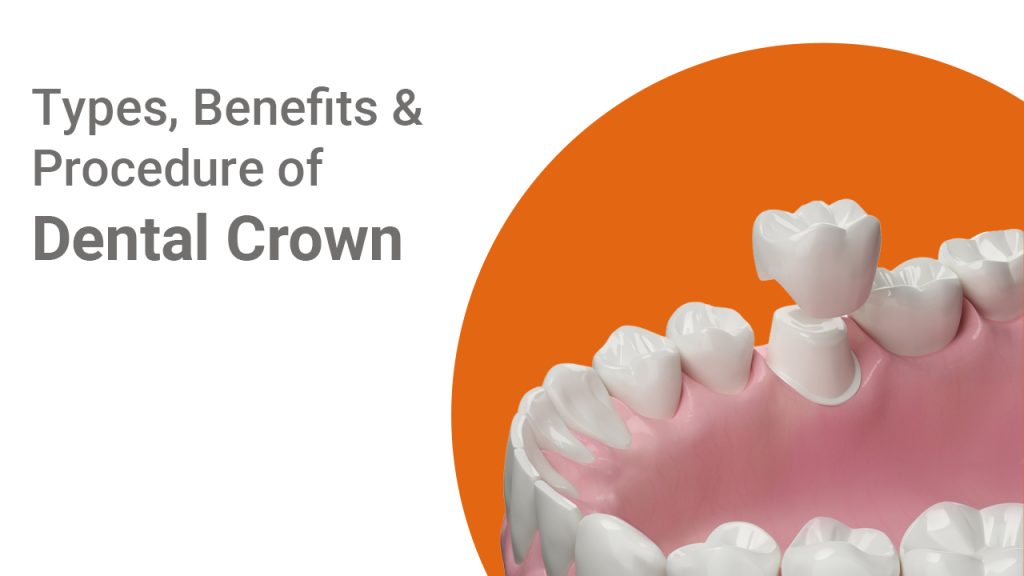
A damaged tooth can weaken your bite, affect your smile, and lead to deeper dental problems. A dental crown is one of the most reliable treatments to protect and restore such teeth. If you are looking for a dental crown near me or comparing options for a dental crown in Kukatpally, Manikonda, Kondapur, or Banjara Hills, this guide will help you understand every step clearly.
This blog by our expert prosthodontists at Eledent Hospital explains the dental crowns types, the benefits, and the procedure so you know exactly what to expect during your treatment.
Types of Dental Crowns: Materials, Strength, and Best Use Cases
Different crown materials work best for different teeth. Here are the most used and trusted types:
1. Ceramic and Porcelain Crowns: Natural Look for Front Teeth
Ceramic and porcelain crowns match natural tooth colour very closely. They offer a smooth finish and blend well with the surrounding teeth. They are ideal for front teeth where appearance matters most.
These options include:
- Porcelain crown ,
- Ceramic crown,
- All-ceramic crown,
- E.max crown.
Each dental crown type is designed to provide strong coverage with a natural appearance.
2. Zirconia Crowns: Strong and Long-Lasting for Front and Back Teeth
A zirconia crown is highly durable and suited for teeth that handle heavy chewing. It offers excellent fracture resistance and long-term stability. Many patients prefer it for molars and premolars due to its strength.
Zirconia crowns also maintain good aesthetics for smile-zone teeth. They are often recommended for dental crown in Manikonda or anywhere else in Hyderabad for patients seeking both durability and appearance.
3. Porcelain-Fused-to-Metal: PFM Crowns
A PFM crown combines a metal base with a porcelain outer layer. It provides strength from the metal and a tooth-coloured finish from the porcelain. PFM crowns are commonly used for back teeth. They are budget-friendly but may show a slight dark line near the gums over time.
4. Full Metal Crowns: Gold and Metal Alloy Options
Full metal crowns, including gold or metal alloys, are the strongest of all. They require minimal shaping of the natural tooth. They are not usually chosen for front teeth due to their metallic colour but are excellent for molars that need maximum strength.
5. Temporary Crowns: Short-Term Protection
A temporary crown protects your prepared tooth while your final crown is being made. It helps maintain comfort, chewing ability, and appearance for a few days.
6. Same-Day CAD/CAM Crowns
Same-day crowns are made using digital scanning and milling technology. They reduce waiting time and allow faster treatment in selected cases. Not all teeth are suitable for same-day fabrication, so your dentist will confirm if this option fits your needs.
Dental Crown Benefits: Function, Aesthetics, and Protection
Dental crowns play a major role in saving damaged teeth. Here are the key Dental Crowns Benefits:
-
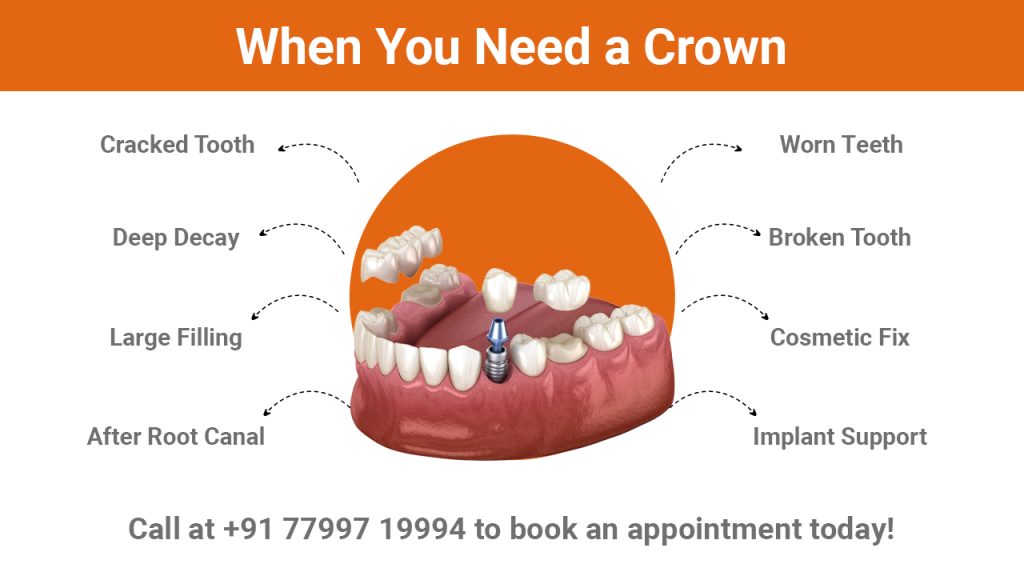
- Protect and Strengthen Weak Teeth:Crowns protect teeth weakened by decay, cracks, or large fillings. They prevent further damage and help you chew comfortably.
- Restore Chewing Function: A crown restores the natural shape and bite of the tooth. It improves chewing and prevents pressure on surrounding teeth.
- Improve Smile Aesthetics: Crowns look natural and match your tooth shade. They help correct discoloured or misshaped teeth.
- Support Bridges and Implants: A crown is essential for bridge crown replacement and implant crown placement. It completes the structure and ensures a stable bite.
- Long-Term Durability: Good crowns last for years with proper oral hygiene. They protect your tooth and reduce the need for repeated dental procedures.
Dental Crown Procedure: From Preparation to Final Placement
At Eledent Dental Hospitals, the dental crowns procedure is planned to keep your experience smooth and predictable. Here is a simple breakdown of how the procedure works:
Step 1: Check-Up, X-Ray, and Treatment Planning
Our dentist examines the tooth and surrounding gums. X-rays help understand the condition of the roots and supporting bone. The best crown type is selected based on your needs.
Step 2: Tooth Preparation Under Local Anesthesia
Local anesthesia ensures the procedure is painless. The tooth is shaped so the crown fits securely. If the tooth is deeply damaged, a post and core or buildup may be added for support.
Step 3: Digital or Traditional Impressions
A digital impression or intraoral scanner captures the exact shape of your tooth. This helps create a crown that fits accurately. Your dentist also performs shade matching to select the right colour.
Step 4: Temporary Crown Placement
A temporary crown protects your tooth while the final crown is being made. It allows you to speak and eat comfortably during this period.
Step 5: Crown Fabrication
Your crown is made at a dental laboratory or using CAD/CAM technology. Each crown goes through precise shaping and polishing to ensure accuracy and comfort.
Step 6: Final Crown Placement and Bite Check
Your dentist places the final crown and adjusts the bite for smooth chewing. The crown is secured using strong dental cement. A final bite test confirms proper alignment.
Why Do Patients Prefer Eledent Dental Hospitals for Dental Crown Treatment?
Eledent Dental Hospital is a trusted choice for patients searching for a dental crown in Kondapur, or across Hyderabad. Here’s why:
- Your crowns are planned and placed by MDS Prosthodontists.
- We use digital impressions for accuracy and comfort.
- We provide high quality zirconia, ceramic, PFM, E.max, and metal-based crowns as per your needs.
- We follow strict sterilization and hygiene standards across all branches.
- You receive a clear plan, cost breakdown, and aftercare guidance without any hidden charges.
If you need a dental crown in Banjara Hills, Kukatpally, Kondapur or Banjara Hills, book an appointment with our experts at +91 77997 19994. Visit your nearest branch in Kukatpally, Kondapur, Manikonda, or Banjara Hills for personalised care.
FAQ’s
1. How long does a dental crown last?
Most crowns last 8–15 years, depending on material, oral hygiene, and chewing habits. Zirconia and metal crowns often last longer with regular check-ups.
2. Do dental crowns hurt?
No. The procedure is done under local anesthesia, so you remain comfortable throughout. Mild sensitivity may occur for a day or two after placement.
3. Which crown is best for front teeth?
Ceramic, all-ceramic, or E.max crowns provide the most natural look and blend well with the smile.
4. Can I eat normally after getting a crown?
Yes. Once the cement sets, you can eat soft foods. Hard foods should be avoided for the first 24 hours.
5. Is a crown always needed after a root canal?
Most back teeth require crowns after root canal treatment because they become weaker. Front teeth may not always need crowns unless there is structural damage.