



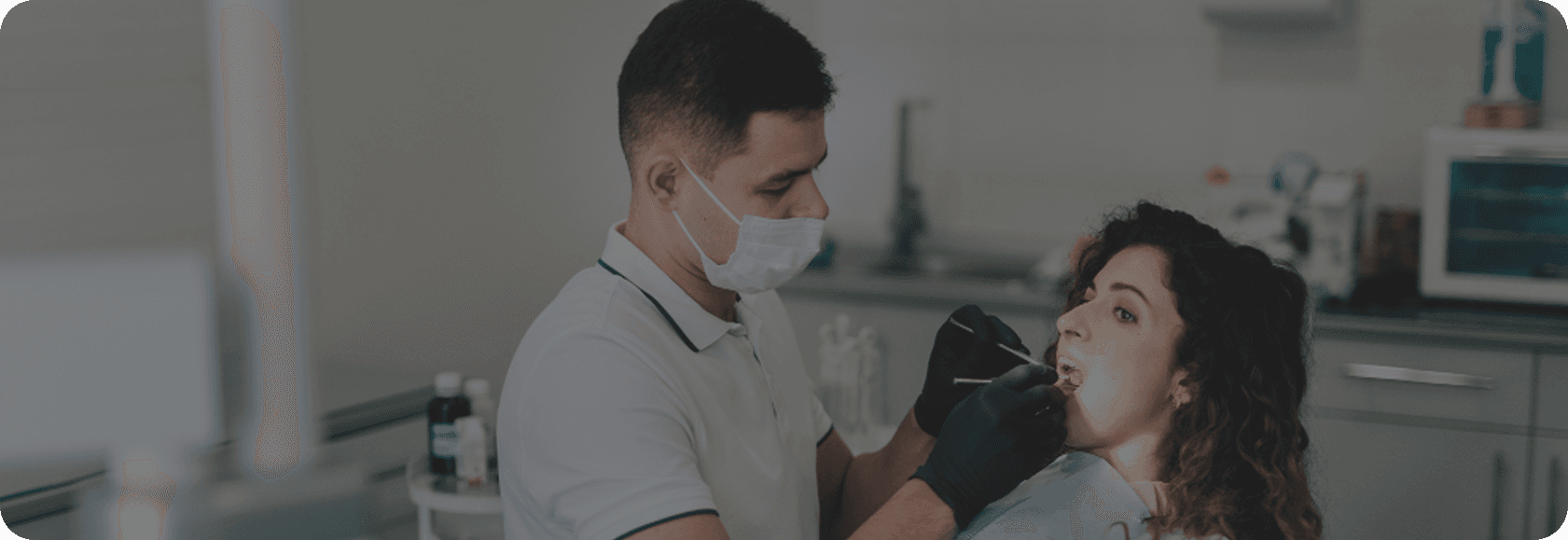
Full mouth rehabilatation in Kukatpally
Structured, multi-step care to rebuild bite function and smile comfort.
+91 7799619994
+91 7799619994Visiting Hours
Mon - Sun 9 AM to 9 PM
How can full mouth rehabilatation help me?
Full mouth rehabilatation in Kukatpally is a planned series of treatments to rebuild all or most of your teeth for better chewing and comfort. It often combines crowns, bridges, implants, dentures, and bite correction in a single roadmap. At Eledent, we start with a detailed evaluation, photographs, and scans, and discuss options like Dental Implants in Hyderabad and Smile Makeover in Hyderabad. You can call +91 7799619994 or use our Old/alternate Kukatpally dentist URL to schedule a consultation.
- You have many broken, missing, or heavily filled teeth that make chewing difficult on most sides.
- You wear old dentures or bridges that are loose, painful, or no longer match your bite and jaw position.
- You have long-standing gum disease, tooth wear, or bite collapse affecting both function and facial appearance.
Your dentist first confirms suitability after examining your teeth, gums, jaw joints, and bite, and often reviewing X rays and scans. Then they outline a staged plan, time frame, and options that fit your health and budget. Full mouth rehabilitation services are available at Eledent Dental Hospital locations in Kondapur, KPHB, Manikonda, Banjara Hills, and Kompally.
Planned multi-speciality care
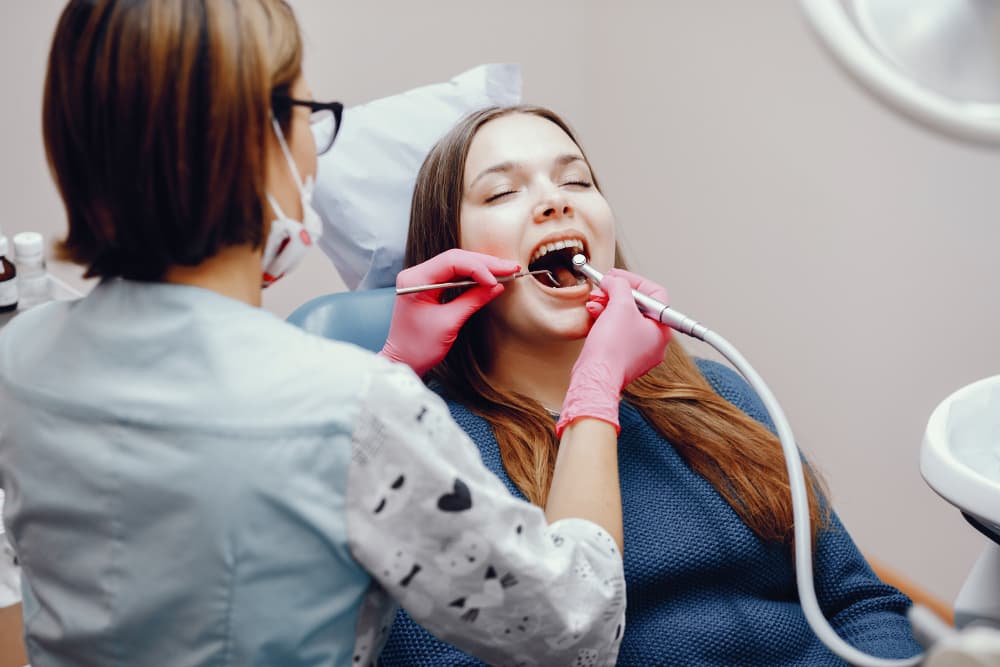
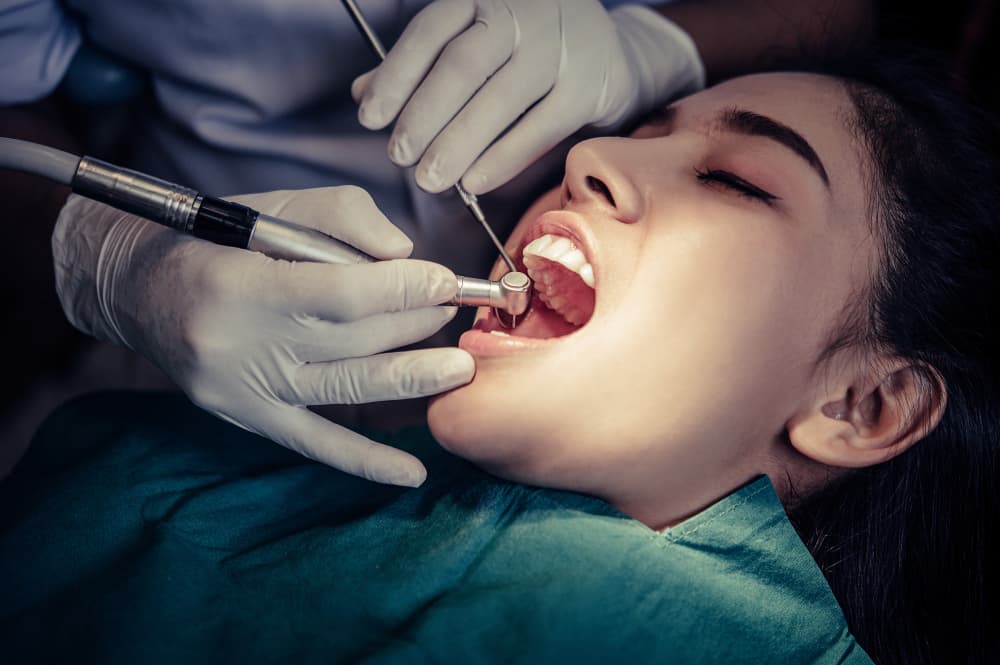
At Eledent, full mouth rehabilitation is planned jointly by prosthodontists, implantologists, endodontists, and orthodontists using CBCT imaging and CEREC CAD CAM where indicated. This lets us map each tooth, select suitable materials, and minimise chair time per visit. You see models or digital simulations of the proposed bite, and we phase treatment so healing, comfort, and day to day functioning remain practical.
Step 1: Assessment and planning
Mapping the mouth
Your first visits focus on understanding what has happened to your teeth and bite over the years. We record medical history, discuss your main difficulties, take photographs, X rays, and often a CBCT scan to view bone and roots in three dimensions. Impressions or digital scans help us study how your jaws meet. We may place a few temporary fillings or adjust sharp edges for comfort at this stage. Planning, diagnostic wax ups, and consultations are usually included in the overall treatment package, not separate add ons.
Step 2: Disease control and foundations
Stabilising teeth and gums
Next, we treat active problems such as decay, infection, and gum inflammation. This may involve root canals using local anaesthesia, gum cleaning, or extractions of teeth that cannot be saved. If implants are planned, we prepare the sites and place them into the jawbone using measured drilling sequences. You usually feel pressure rather than pain because the area is numbed. This phase can take several sittings and directly influences cost, as the number of root canals, extractions, and implants increases material and laboratory needs.
Step 3: Rebuilding bite and appearance
Crowns, bridges, and dentures
Once gums are healthy and implants or extractions have healed adequately, we reshape teeth for crowns, take precise impressions, and record jaw relations. Temporary crowns or trial dentures help you test speech and chewing. Laboratory technicians then fabricate final crowns, bridges, or implant supported dentures using the chosen materials. At the delivery visit, we check contacts, adjust bite, and give written care instructions. Future refinement visits, such as minor bite adjustments or denture relines, may be spaced out and are sometimes billed as separate follow up services.
Why It Helps
Real-life improvements you notice
Full mouth rehabilitation in a city like Kukatpally can restore reliable chewing on both sides, so meals feel easier and more social again. It can also stabilise your bite, which often reduces chipping, jaw strain, and repeated emergency visits. By replacing missing and worn teeth in a planned way, we aim to give you a mouth that is easier to clean and maintain over the long term.
Chewing with confidence
Rebuilding worn or missing teeth with crowns, bridges, or implant dentures lets you bite evenly again, so you can handle routine foods without constantly switching chewing sides.
Less strain on jaws
Correcting a collapsed bite or uneven contacts helps distribute forces more evenly, which can reduce jaw fatigue, muscle soreness, and the habit of clenching on a few remaining teeth.
Easier daily cleaning
Aligned, well contoured crowns and bridges are usually easier to brush and floss than broken edges or gaps, which supports better gum health and fewer infections over time.
Stable long-term plan
Treating the full mouth as one system means each crown, implant, or denture is planned to work together, so future repairs are simpler and more predictable to schedule.
Typical full mouth changes
Most patients see clearer chewing, speech, and smile changes once the staged rehabilitation is complete.
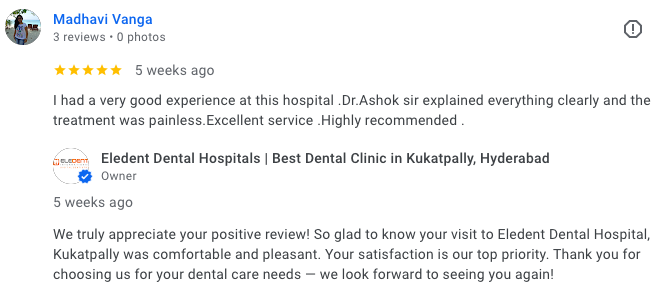
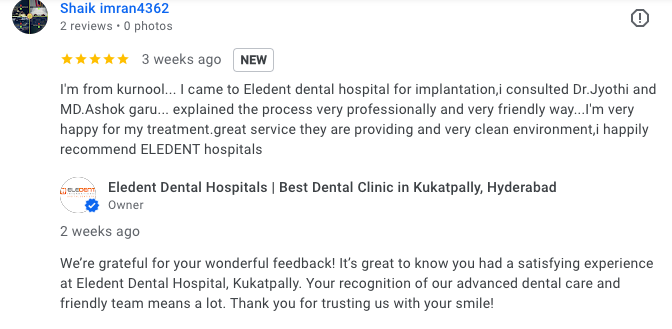
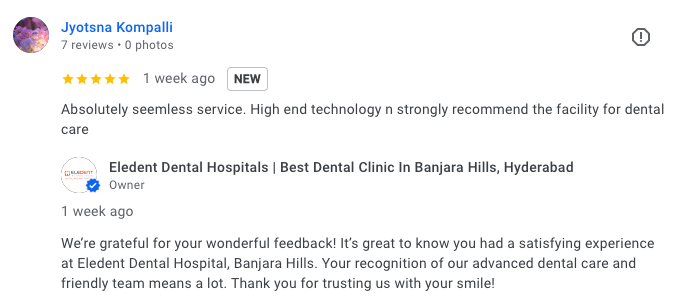
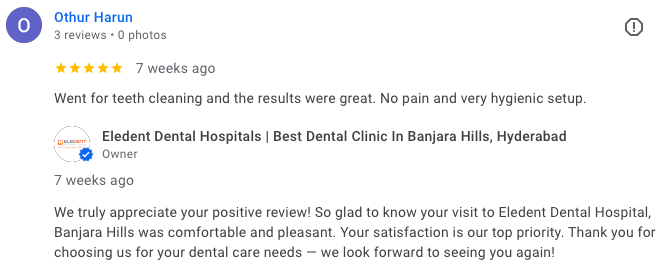
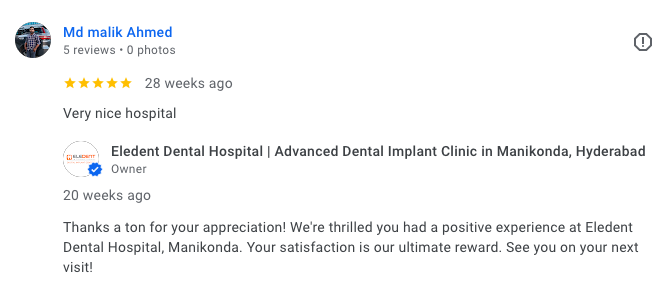
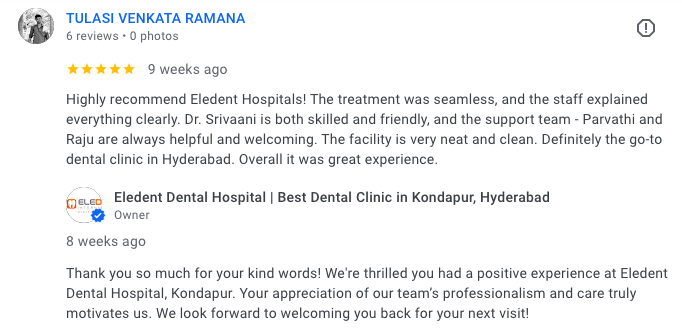
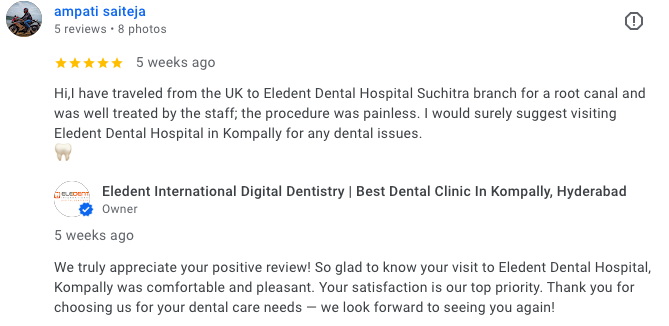
Testimonials
Book full mouth care in Kukatpally
To start, book a consultation so we can examine your mouth, understand your goals, and explain likely options. At your first visit you can expect photographs, X rays if needed, and a clear discussion of stages and timelines. Call or visit our Kukatpally hospital to fix an appointment that fits your routine.




FAQ
Frequently Asked Questions
Clear answers to common questions patients ask us.